Infographics for Embroidery
First Impressions: A Designer’s Take
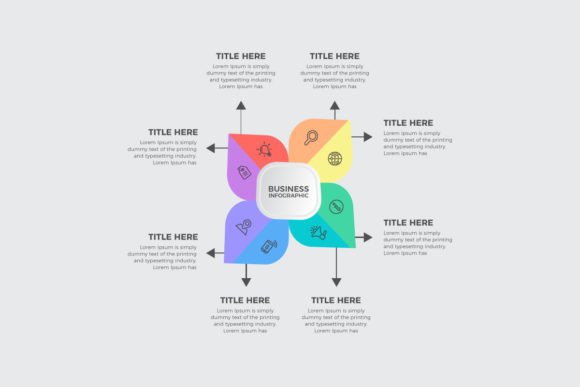
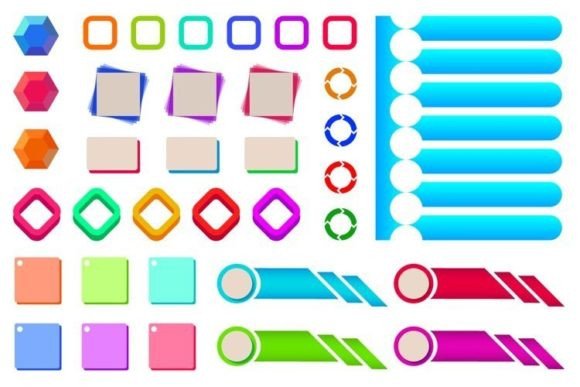
The moment I opened the Infographics design, I was struck by its clean, modern aesthetic. The flat geometric shapes are bold and minimalist, with a strong visual rhythm that suggests versatility. The color palette is vibrant yet balanced, making it easy to adapt to different projects without overwhelming the eye. As an embroidery designer, I immediately thought of how these elements could translate into stitched fabric—whether as standalone motifs or part of a larger composition.
Real-Life Use Case: Custom Tote Bag Design
Let’s imagine a scenario: I’m working on a custom tote bag for a small boutique that sells eco-friendly products. The client wants something eye-catching but not too busy. Infographics fits perfectly here. The flat shapes can be arranged in a way that adds visual interest without cluttering the design. When stitched, they maintain their sharpness and clarity, which is essential for maintaining the design’s integrity on fabric.
One thing I consider is the scale. Since the design is made up of individual elements, it’s important to test how they look when combined. Each shape has a defined edge, so they work well as modular components. This makes them ideal for creating patterns or repeating motifs on larger items like tote bags or aprons.
Stitching Clarity and Visual Appeal
When evaluating embroidery designs, stitch density is crucial. Infographics appears to be designed with clear outlines, which is great for satin stitch or fill stitch applications. However, I would recommend testing the design on scrap fabric first to ensure that the lines remain crisp after stitching. The high-resolution JPG included is a good indicator of detail, but actual stitch performance may vary depending on the file format and machine settings.
The design’s flat nature also means it doesn’t require excessive shading or gradients, which simplifies the embroidery process. This makes it a good choice for both beginners and experienced designers looking for a clean, professional look. The lack of intricate details reduces the risk of stitching errors, especially when working with smaller hoop sizes.
Where to Use Carefully
While Infographics is versatile, there are scenarios where it might need more attention. For example, using it on dark fabrics can reduce contrast, making the design less visible. In such cases, adjusting thread colors or adding light-colored stabilizers can help. Similarly, dense stitch areas or tiny lettering might not render well on textured or stretchy fabrics, so it’s best to test before committing to a final product.
Another consideration is the use of Infographics on curved surfaces like caps or hats. The flat design may not conform well to irregular shapes, leading to distortion. In these cases, it’s advisable to simplify the design or use it as a background element rather than the main focus.
Impact on Product Value and Customer Trust
When designing for handmade products or small business merchandise, the visual appeal of the finished item plays a significant role in customer perception. Infographics offers a modern, stylish look that aligns well with current design trends. This can enhance the perceived value of the product, especially when used in personalized gifts or branded items.
However, consistency is key. If the design is intended for commercial use, it’s important to confirm licensing terms and ensure that the design can be used across multiple products without legal issues. Etsy sellers and craft business owners should always verify whether the design is suitable for resale and whether it meets the requirements of their platform.
Practical Designer Notes
As an embroidery designer, I always recommend testing any new design on scrap fabric before using it on a final project. This helps identify potential issues with stitch density, contrast, and overall appearance. Additionally, checking the design in black and white mockups can reveal hidden flaws that might not be apparent in color.
Using the right stabilizer is also critical. For detailed designs like Infographics, a tear-away stabilizer can provide support without affecting the final look. It’s also worth considering the type of fabric you’ll be using. Thin or stretchy fabrics may require additional support to prevent puckering or distortion.
Finally, always confirm the licensing terms before selling finished products or digital files. Infographics is a valuable asset, but it must be used responsibly to avoid legal complications.
Conclusion: A Reliable Choice for Many Projects
Infographics is a solid choice for a wide range of embroidery projects, from custom apparel to holiday gifts. Its clean, geometric style lends itself well to both personal and commercial use, making it a versatile addition to any designer’s toolkit. With careful planning and testing, this design can elevate your handmade products and create a lasting impression on your customers.