International Cooperation Infographics
A Designer’s Take on Practical Use in Embroidery Projects
As a designer who frequently works with embroidery files and graphic templates, I often find myself evaluating the real-world viability of designs before they make it to a client’s project or my own handmade products. When I first opened the International Cooperation Infographics template bundle, I was immediately struck by its clean, modern layout and the way it visually communicates a process—something that resonates well with both personal and commercial embroidery applications.
The First Impression: Clean, Structured, and Purposeful
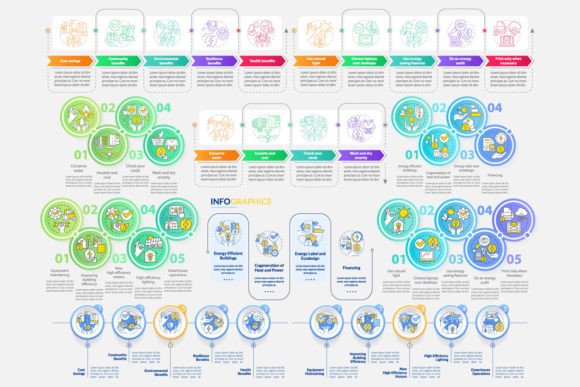
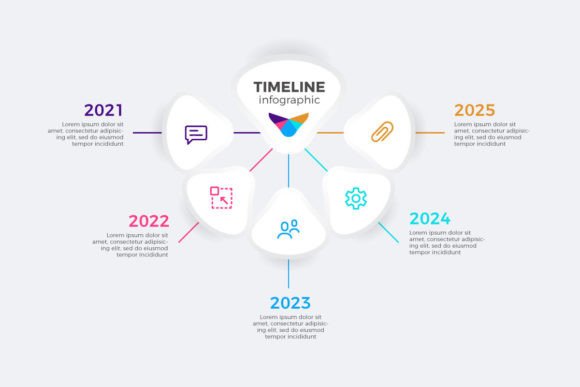
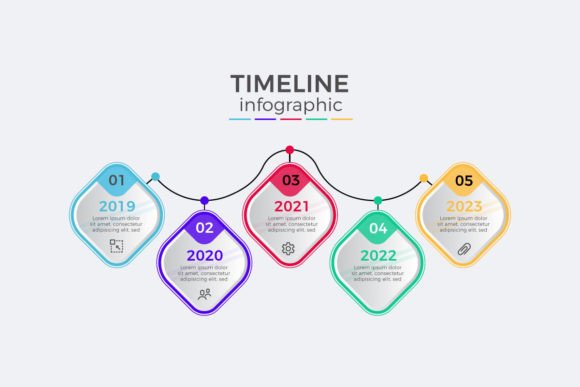
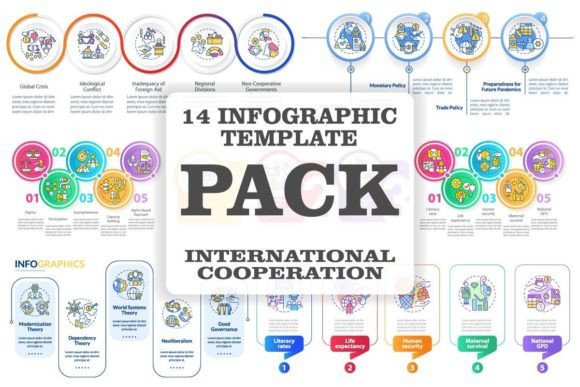
The International Cooperation Infographics set is composed of 14 distinct templates, each designed to represent a step in a workflow or timeline. The layout is minimalistic yet informative, using line icons and clear text to guide the eye through the process. This kind of visual clarity is essential for embroidery projects where the design needs to be easily understood at a glance, especially when stitched onto items like tote bags, aprons, or caps.
I found the color palette to be neutral and versatile, making it suitable for a wide range of fabric types and thread colors. The use of simple shapes and bold outlines ensures that even the most intricate details remain legible once stitched. This makes the International Cooperation Infographics ideal for creating custom apparel, personalized gifts, or branding materials for small businesses and Etsy shops.
Real-Life Scenario: Custom Tote Bag Design
Let’s imagine a practical scenario: a customer wants a custom tote bag embroidered with a timeline showing the steps of international cooperation. The International Cooperation Infographics would work beautifully here. The linear flow of the design fits perfectly on a flat surface, and the clear structure allows for easy stitching without overwhelming the fabric.
However, I’d recommend testing the design on scrap fabric first, especially if you’re working with a textured or dark fabric. The International Cooperation Infographics has subtle gradients and shading that might not translate well to certain fabric types. Using the right stabilizer and checking thread color contrast will ensure the design remains sharp and professional after stitching.
Where It Excels: Commercial and Personal Projects
The International Cooperation Infographics shines in both personal and commercial contexts. For a small shop or Etsy seller, these templates can be used to create a variety of custom apparel, from sweatshirts to baby clothes, offering a consistent and recognizable brand identity. The digital embroidery file format makes it easy to preview and adjust before finalizing the design for sale.
When used for holiday embroidery or personalized gifts, the International Cooperation Infographics adds a thoughtful, educational element that can elevate the product’s value. A well-executed design can turn a simple embroidered patch or pillow cover into a meaningful, handcrafted item that resonates with customers.
Where to Be Cautious: Fabric and Detail Considerations
While the International Cooperation Infographics is highly adaptable, there are a few areas where extra care is needed. For instance, dense stitch areas or detailed corners may require more precise stitching techniques, especially on stretchy or thin fabrics. These elements could also be challenging on curved surfaces like hats or caps, where the design might lose some of its intended clarity.
Additionally, the International Cooperation Infographics includes small lettering and decorative accents that could become less visible on dark fabrics or in low light conditions. Testing the design in black and white mockups is a smart move to ensure readability across different backgrounds. Always confirm that the hoop size matches the design’s dimensions to avoid distortion or incomplete stitching.
Design Impact on Product Value and Branding
The International Cooperation Infographics has a strong visual appeal that aligns well with modern design trends. Its structured layout and clear message make it a great choice for branding efforts, whether for a boutique, craft fair, or online store. The consistency of the design across multiple templates helps build brand recognition and trust among customers.
From a handmade product perspective, the International Cooperation Infographics offers a balance between detail and simplicity, allowing for creative expression without sacrificing clarity. This makes it an excellent choice for personalized gifts, custom apparel, and commercial embroidery projects alike.
Practical Design Notes for Embroidery Professionals
Before using the International Cooperation Infographics in a finished product, consider the following:
- Test on scrap fabric to assess how the design looks and performs in real conditions.
- Check thread color contrast against the fabric to ensure visibility and clarity.
- Review stitch density to avoid over-stitching or under-stitching, which can affect the design’s quality.
- Confirm hoop size compatibility to prevent distortion or incomplete stitching.
- Inspect small details and decorative elements to ensure they translate well to the final product.
- Use proper stabilizer to maintain fabric stability during stitching.
- Compare light and dark fabric backgrounds to see how the design holds up in different lighting conditions.
- Ensure licensing compliance if planning to sell the design as part of a digital embroidery file or craft business product.
By taking these steps, you can confidently use the International Cooperation Infographics in a wide range of projects, from embroidered patches to sweatshirt embroidery, ensuring that your finished product meets both aesthetic and functional standards.